Published: 15 January 2025
A New Dawn for Tourism: Iraq Welcomes Over 5 Million Visitors
The Iraqi Ministry of Culture, Tourism and Antiquities has officially announced that 2024 was a historic year for the nation's tourism industry. International visitor arrivals surpassed five million for the first time in recent history, representing a remarkable 40% increase compared to the previous year. This surge is attributed to a combination of enhanced security, significant investment in infrastructure, and the widely acclaimed success of the electronic visa (eVisa) system.
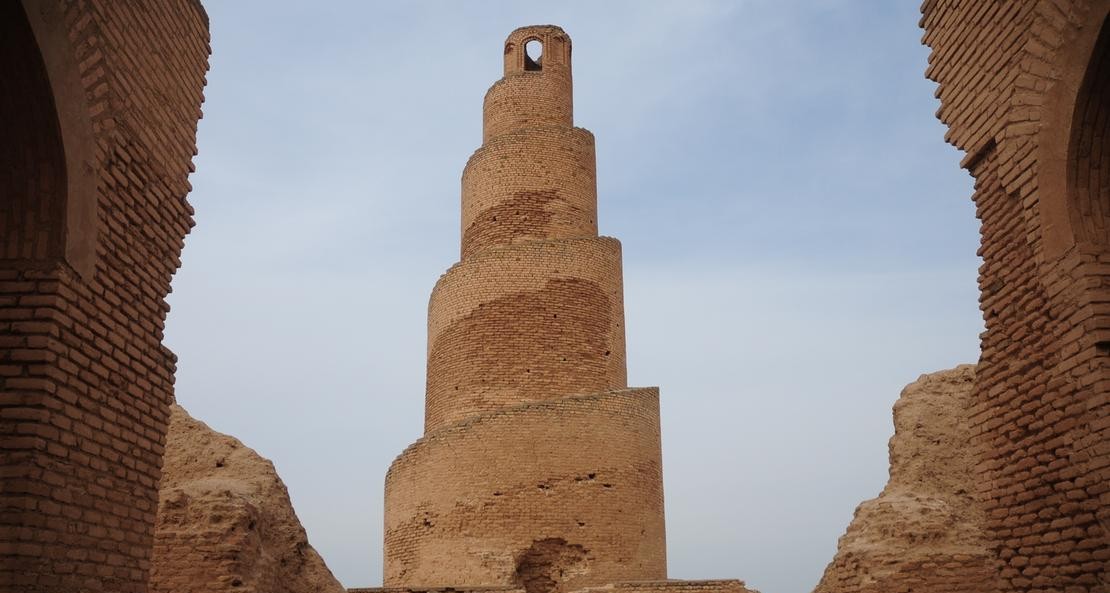
In a statement released from Baghdad, Dr. Ali Al-Sudani, the Minister of Tourism, hailed the results as a "testament to Iraq's enduring appeal and its readiness to welcome the world." He stated, "We have opened our doors, and the world is responding. This is not just about numbers; it is about rebuilding bridges of cultural understanding. Each visitor who walks through the ancient gates of Babylon or experiences the profound spirituality of Karbala leaves with a new perspective."
Key Drivers of the Tourism Boom
The growth in 2024 was multifaceted, with several key sectors showing exceptional performance:
Religious Tourism Continues to Lead
As expected, religious tourism remained the largest contributor, with millions of pilgrims visiting the holy cities of Najaf and Karbala. The Arba'een pilgrimage alone saw a significant increase in international participants, aided by coordinated efforts to improve transport and accommodation facilities for the millions who attend.
A Renaissance in Cultural and Heritage Travel
Notably, 2024 saw a dramatic rise in non-religious tourism. Archaeological sites like the ancient city of Ur and the UNESCO World Heritage site of Babylon experienced a 70% increase in foreign visitors. Tour operators report unprecedented demand for "Mesopotamian history tours," signalling a global resurgence of interest in the cradle of civilisation.
The Kurdistan Region: A Hub for Adventure and Nature
The semi-autonomous Kurdistan Region, known for its stunning mountains and vibrant cities like Erbil, also saw record arrivals. It has successfully positioned itself as a destination for adventure travel, cultural festivals, and eco-tourism.
The Role of the eVisa in Facilitating Growth
Industry experts unanimously agree that the expansion and efficiency of the Iraq eVisa system have been pivotal. By simplifying the application process for citizens of over 40 countries, the digital platform has removed one of the most significant barriers to entry. The streamlined online system has reduced waiting times and provided travellers with the certainty they need to plan their journeys, making Iraq a more accessible and attractive destination.
Looking ahead, the Ministry aims to build on this momentum. Plans for 2025 include the development of new eco-lodges near the southern marshes, further restoration work at key historical sites, and a global marketing campaign to highlight the diversity of experiences Iraq has to offer. The message is clear: Iraq is not just open for visitors; it is ready to offer unforgettable journeys into the heart of human history.